
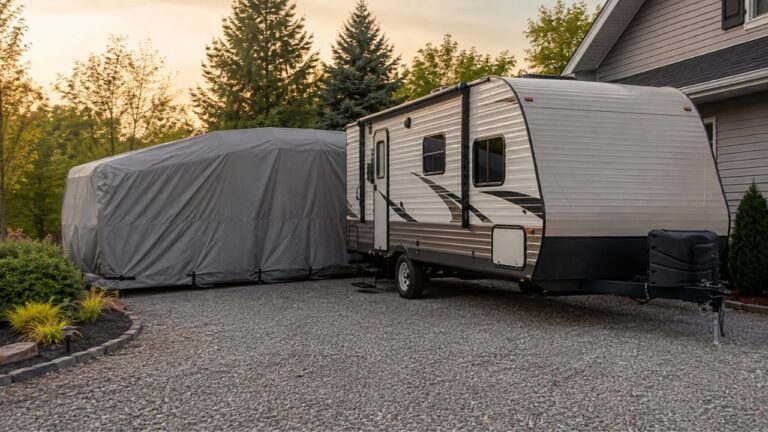
You stop rodents from nesting under an RV cover by removing food and shelter, clearing the storage area, blocking climbing routes, and sealing openings before covering the RV. Keep the cover fitted...
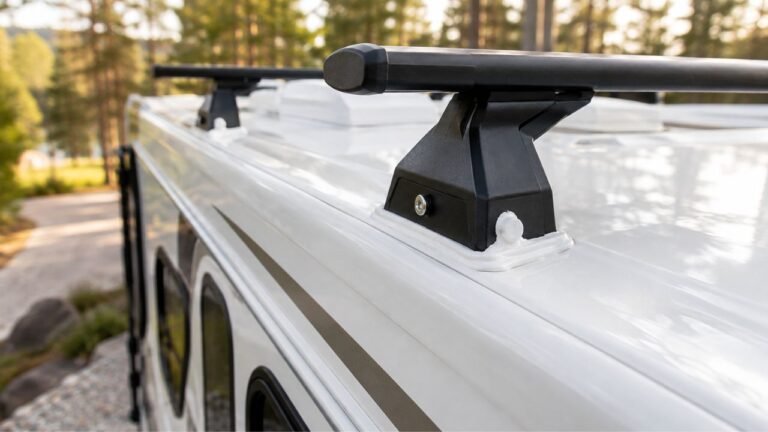
To seal roof-rack mounting holes properly, clean and dry the area first, use a sealant that is compatible with your RV roof, seal beneath the mounting hardware, tighten the fasteners correctly, and...
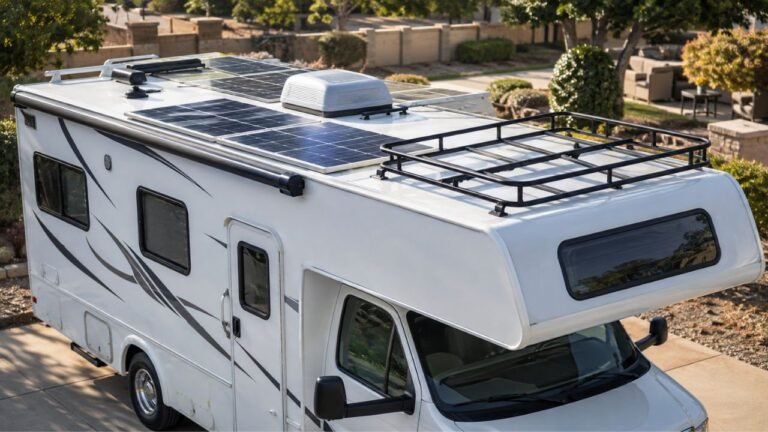
Yes, you can install an RV roof rack near solar panels. The rack must not shade the panels, block airflow, pinch wiring, interfere with maintenance, or exceed your RV’s roof-load limits. There...
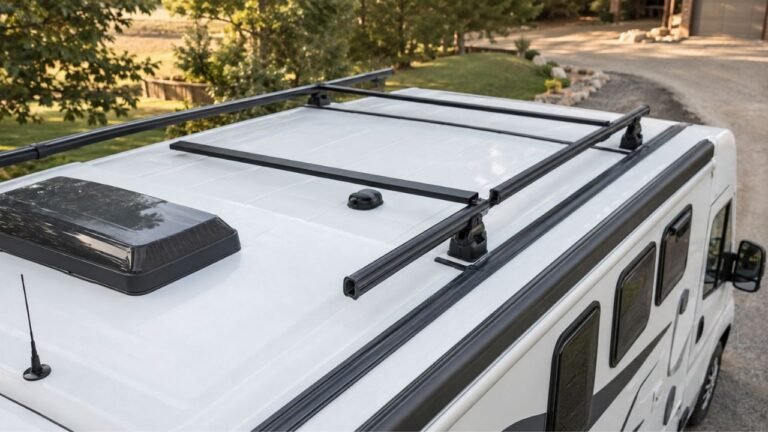
RV roof-rack crossbars usually slide because the mounting hardware is loose, the feet are not seated correctly, rubber pads have lost grip, or wind and cargo forces are overpowering the rack’s...
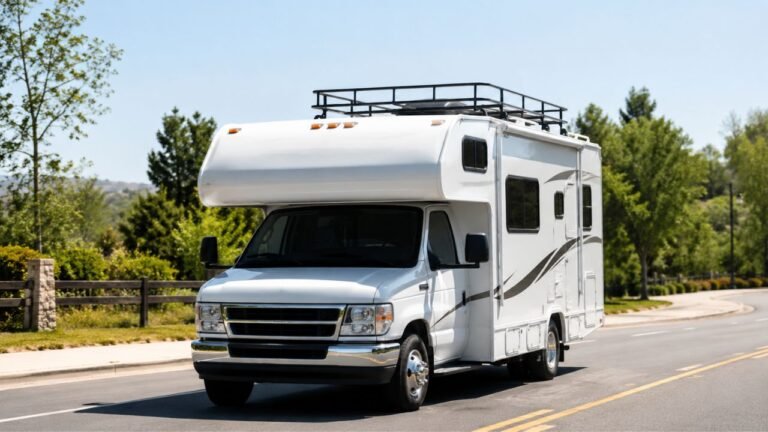
Your RV roof rack usually whistles because fast-moving air hits crossbars, gaps, channels, or loose parts. That airflow can create vibration and high-pitched noise, especially at highway speeds...
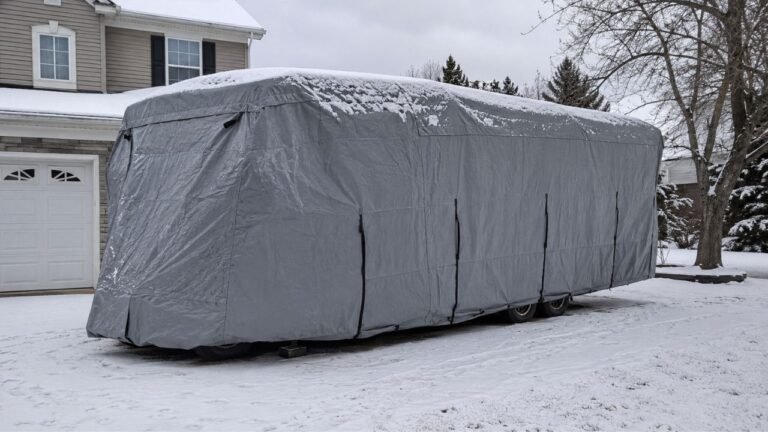
Yes, snow and ice can damage an RV even through a cover. A cover protects the surface, but it does not support the weight above it. Heavy snow, refreezing water, ice buildup, and wind can still stress...
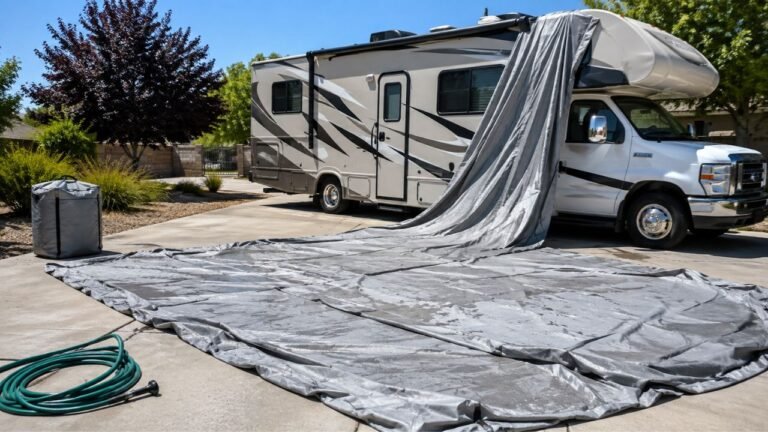
To clean and dry an RV cover before storage, remove loose debris, wash it gently with water and a manufacturer-approved mild cleaner, rinse away all residue, then air-dry both sides completely. Once...
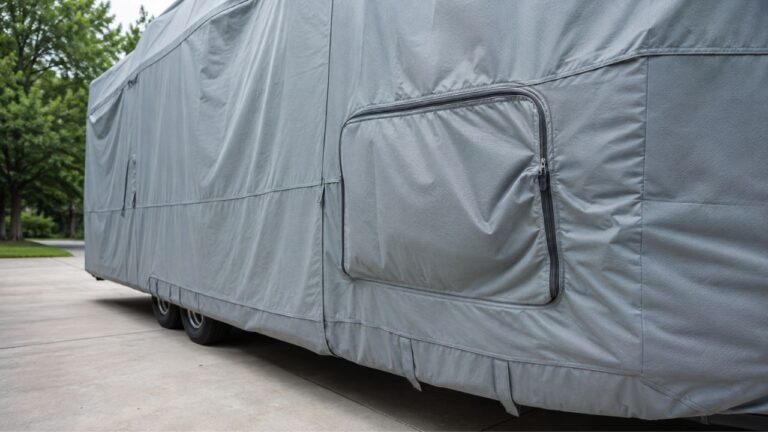
Your RV cover zipper is usually stuck because fabric is trapped inside the slider, dirt is packed into the zipper, or the cover is pulling too tightly across the track. A worn slider, damaged teeth...
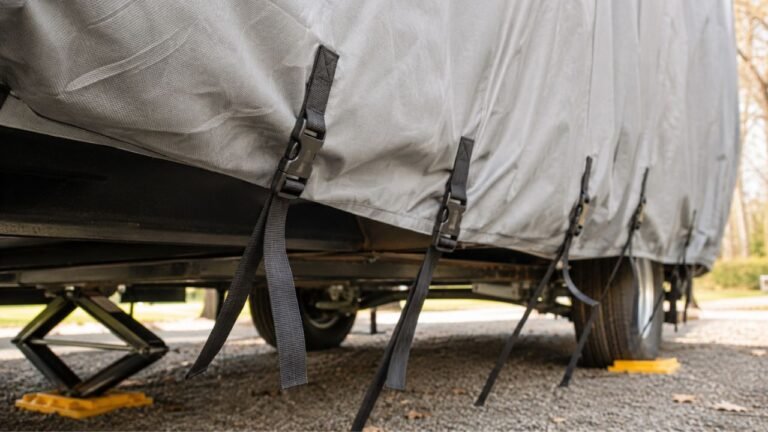
RV cover straps usually keep coming loose because wind repeatedly moves the cover and webbing, allowing slack to work through the adjustment buckles. Incorrect buckle threading, loose cover fit...