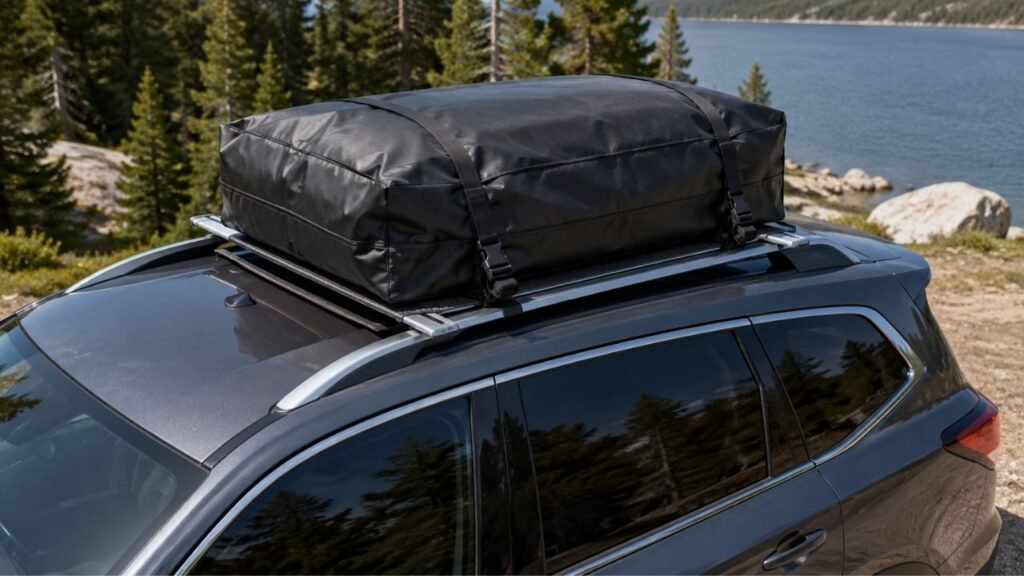
You can stop cargo-bag straps from scratching your roof by cleaning the roof first, using a non-slip protective mat, keeping buckles away from painted surfaces, and securing every loose strap end. The main goal is preventing anything from rubbing, shifting, or repeatedly hitting the paint while you drive.
Most scratches happen because of movement rather than the strap material itself. Below, I’ll show you how to protect each contact point, route straps correctly, handle loose ends, and avoid common mistakes.
Key Takeaways
- Clean the roof before installing your cargo bag.
- Place a proper anti-slip mat beneath the entire bag.
- Keep buckles, hooks, and adjusters away from painted surfaces.
- Roll and secure every loose section of excess strap.
- Tighten straps enough to prevent the bag from shifting.
- Check door-frame straps carefully for rubbing or pressure points.
- Follow your vehicle and cargo-bag manufacturer’s installation instructions.
- Recheck strap tension after you begin driving.
Why Do Cargo-Bag Straps Scratch the Roof?
Cargo straps usually cause scratches when something moves repeatedly against the paint. Knowing where that movement happens makes the problem much easier to prevent.
Loose Strap Ends Whip Against the Paint
A loose strap tail can look harmless while your vehicle sits still. Once you reach highway speeds, however, airflow can make it flap violently.
That loose webbing may strike the roof hundreds of times during a drive. Eventually, the repeated contact can leave dull patches, scuffs, or scratches.
Long strap tails can also hit painted door frames and pillars. Secure them before driving rather than hoping the wind keeps them away.
Buckles and Hooks Rub Against the Roof Edge
The webbing itself is usually softer than the buckle attached to it. Plastic adjusters, metal hooks, and cam buckles can cause more noticeable damage.
A buckle resting against the roof edge may move slightly with vibration. That tiny movement becomes abrasive during a long highway trip.
Position each buckle against the cargo bag whenever possible. Do not leave hard hardware sitting directly against painted bodywork.
Dirt and Grit Get Trapped Under the Straps
Even a soft strap can scratch when dirt sits underneath it.
Small pieces of sand, road dust, dried mud, and grit act like abrasive particles. As the strap moves, those particles grind against the clear coat.
This is why cleaning matters before adding any padding. Putting soft material over a dirty roof does not solve the problem.
A Loose Cargo Bag Creates Constant Strap Movement
Sometimes the strap is not actually the main problem.
If the entire cargo bag slides slightly during turns or braking, every attached strap moves with it. That movement creates friction wherever the straps cross painted surfaces.
A properly fitted anti-slip mat helps reduce this problem significantly.
Poor Strap Routing Creates Pressure Points
Straps should not simply follow the shortest possible route.
A poorly routed strap may rub against roof edges, trim, weatherstripping, or painted door frames. You may also end up positioning buckles exactly where vibration causes damage.
Take a few extra minutes to inspect every contact point. That small check can prevent expensive paint repair later.
What Is the Best Way to Protect Your Roof From Cargo-Bag Straps?
Different scratch risks require slightly different solutions. Use the table below to identify the problem you are dealing with.
| Scratch Risk | Best Prevention | Why It Helps | What to Avoid |
| Cargo bag rubbing the roof | Anti-slip protective roof mat | Separates the bag from paint and reduces movement | Bag directly on dirty paint |
| Loose strap tails | Strap keeper or secured roll | Stops webbing from whipping against paint | Letting extra webbing hang freely |
| Buckles near paint | Reposition or pad the buckle | Prevents hard components from rubbing | Buckles resting on roof edges |
| Strap crossing painted areas | Soft contact protection where allowed | Reduces direct rubbing | Bare hardware against paint |
| Door-frame mounting | Correct manufacturer-approved hooks | Keeps straps properly positioned | Improvised hooks or anchor points |
| Dirt beneath the strap | Clean the roof before installation | Removes abrasive particles | Installing over dust or sand |
| Cargo bag shifting | Correct tension and balanced packing | Reduces repetitive movement | Loose straps or uneven cargo |
You do not necessarily need every protection method listed above. Focus on the exact places where your bag, straps, or hardware touch the vehicle.
Clean the Roof Before Anything Touches It
Start with a clean roof every time you install the cargo bag.
Dust may not seem dangerous, but larger particles can scratch your clear coat. Sand and dried road grime are especially abrasive when trapped under pressure.
Clean the area beneath the cargo bag thoroughly. Then wipe every location where a strap may cross the roof or upper door frame.
You should also clean the underside of your anti-slip mat. A dirty mat can hold the same grit you are trying to remove.
Make sure the surface is reasonably dry before installation. This helps the protective mat sit flat and remain stable.
Put an Anti-Slip Protective Mat Under the Cargo Bag
A proper roof-protection mat does more than prevent direct bag contact.
Its first job is creating a barrier between the bag and paint. Its second job is limiting how much the bag moves during driving.
That second benefit matters because movement causes many strap scratches. A bag that stays planted creates less pulling and rubbing around its attachment points.
Choose a mat designed for rooftop cargo use when possible. It should provide grip without containing hard or abrasive materials.
Position it underneath the cargo bag’s entire contact area. Avoid leaving large sections flapping beyond the bag.
You should still clean underneath the mat before every installation. Protective material cannot compensate for trapped sand or grit.
Route Cargo-Bag Straps So Hardware Cannot Touch the Paint
The safest routing method depends on your vehicle’s roof setup. Before tightening anything, inspect where every strap and buckle will sit.
With Crossbars
Crossbars usually provide the cleanest attachment points for cargo bags.
Route the cargo-bag straps through the intended loops or attachment points. Secure them around the crossbars exactly as the bag manufacturer recommends.
Try to keep buckles above the bag or alongside it. Avoid positioning them underneath the strap where they can contact the roof.
Once tightened, check whether any webbing hangs below the crossbars. Secure that excess before driving.
With Raised Side Rails
Raised side rails can also provide strong attachment points.
Run straps through approved attachment loops and around the rails. Keep the straps flat and prevent them from rubbing unnecessary painted surfaces.
Watch the buckle position carefully near the sides of the roof. A buckle hanging below the rail may strike the vehicle during driving.
Move it upward or inward whenever the strap design allows.
On a Bare Roof Using Door Hooks
Bare-roof cargo bags require more attention to contact points.
Many designs use special hooks near the upper door frame. Others route straps through the cabin depending on their specific installation system.
Use only the attachment method provided by the cargo-bag manufacturer.
Improvised metal hooks can damage paint, weatherstripping, or door frames. Incorrect strap positioning may also interfere with the door seal.
Check both sides of every attachment point after closing the doors. Nothing hard should be trapped against painted bodywork.
Around Roof Edges and Pillars
Roof edges and upper pillars are common scratch locations.
Straps often change direction sharply around these areas. That creates additional pressure against the surface beneath them.
Make sure no buckle or hook hangs where airflow can move it. Also check whether the webbing itself rubs aggressively against a sharp body edge.
If the manufacturer allows it, soft protective padding can help at genuine contact points.
Keep Buckles and Hooks Away From Painted Surfaces
Hard hardware deserves more attention than most people give it.
A cam buckle touching the roof may look perfectly stable while parked. Once your vehicle starts vibrating, however, it can move repeatedly against the same area.
That repeated movement can dull clear coat or create deeper marks.
Whenever possible, position buckles on top of the cargo bag. You can also keep them close to roof rails or approved mounting points.
Soft buckle covers may help when they are compatible with your setup. The goal is preventing hard components from directly touching your vehicle.
Do not add bulky padding that interferes with proper strap tension. Protection should never make the attachment less secure.
How Do You Secure Loose Cargo-Bag Strap Ends?
Excess webbing should never be left blowing freely. Fortunately, you can control it with several simple methods.
Roll the Excess Strap
After tightening the bag, gather the unused length of webbing.
Roll it into a small, neat bundle starting from the loose end. Keep the roll close to the buckle or attachment point.
A compact roll creates much less material for wind to catch.
Hold It With Hook-and-Loop Strap Keepers
Hook-and-loop keepers work especially well for long strap tails.
Wrap the keeper around the rolled webbing so it cannot unravel. Make sure the bundle remains away from painted surfaces.
Some cargo bags include strap keepers from the factory. If yours does, use them every time.
Tuck the Strap Back Through the Buckle When Designed for It
Some strap systems allow surplus webbing to be tucked back through the buckle.
This can hold the loose end close to the main strap. It also prevents the tail from hanging over the roof edge.
Only use this method when it matches your strap design. Do not route extra webbing through moving buckle parts incorrectly.
Do Not Let Strap Tails Hang Outside the Vehicle
A strap tail hanging outside the roofline becomes a small whip.
At highway speed, it can slap against the roof, doors, windows, or pillars. The movement can damage both your paint and the strap itself.
If you can see an unsecured tail before leaving, fix it.
Should You Put a Twist in Cargo-Bag Straps?
A slight twist can sometimes reduce vibration in an exposed strap, but it should not be treated as a universal rule.
Some tie-down systems specifically allow a small twist to reduce humming or fluttering. Other roof-rack manufacturers recommend keeping load straps flat and untwisted.
That means the safest approach is following your specific cargo-bag instructions.
If your strap is already routed correctly but still vibrates, first check tension and loose ends. Those are more common causes of flapping.
Do not automatically twist every strap because you saw the trick online. A twist can affect how certain buckles or attachment systems work.
How Tight Should Cargo-Bag Straps Be?
Cargo-bag straps should be tight enough to stop the loaded bag from shifting.
They should not be tightened so aggressively that the bag, rack, roof, or mounting points begin deforming.
Tighten each strap gradually instead of pulling one side completely tight. This helps keep the cargo bag centered and evenly secured.
Once everything feels snug, push the bag from several directions.
If the entire bag slides noticeably, correct the routing or tension. Do not simply keep applying more force without identifying the problem.
Be especially careful with ratchet straps. Their mechanical advantage makes excessive tension surprisingly easy to apply.
For most soft cargo bags, use the supplied securing system whenever possible.
Why Packing the Cargo Bag Properly Also Prevents Scratches
A well-packed cargo bag moves less, which also keeps its straps calmer. Before closing the bag, pay attention to how everything is positioned.
- Distribute your cargo evenly across the bag.
- Avoid putting all heavy items on one side.
- Fill large empty spaces that allow contents to shift.
- Keep rigid objects away from the bottom surface.
- Pad sharp or awkwardly shaped items before loading them.
- Do not exceed the cargo bag’s weight limit.
- Stay within your vehicle’s maximum roof-load capacity.
- Keep the bag centered whenever the instructions require it.
A poorly packed bag can change shape while you drive. That change may loosen straps and create new rubbing points.
Should You Use Towels or Blankets Under a Roof Cargo Bag?
I would avoid using a household towel or loose blanket as your main roof protector.
Towels can bunch up, move with airflow, and trap water. They can also hold dirt that eventually becomes abrasive.
A blanket may have similar problems, especially if it extends beyond the cargo bag. Loose fabric can also interfere with a secure fit.
A purpose-made anti-slip roof mat is usually the better option. It provides more consistent grip and stays flatter beneath the load.
Whatever material you use must also be compatible with your vehicle and bag.
Do You Need Extra Padding Under the Straps?
You usually do not need padding under every inch of strap.
Extra protection is most useful where something actually touches painted bodywork. That could include a buckle, hard adjuster, or strap crossing a vulnerable edge.
If the strap floats above the roof between secure anchor points, padding there serves little purpose.
When padding is necessary, keep it thin and stable. It should not slide around or stop the strap from holding tension.
You should also inspect any padding for trapped grit. A dirty protective sleeve can eventually cause the damage it was supposed to prevent.
Can Cargo-Bag Straps Damage a Panoramic or Glass Roof?
They can, and some cargo bags should not be installed on glass roofs at all.
A panoramic roof changes both the load surface and attachment considerations. Glass may not tolerate the same concentrated forces as painted metal roof sections.
An anti-slip mat does not automatically make the installation safe.
Before installing your bag, check your vehicle owner’s manual. Then check the cargo-bag manufacturer’s roof compatibility requirements.
If either source prohibits using the bag on a panoramic or glass roof, follow that restriction.
Do not assume a roof bag is safe simply because it physically fits.
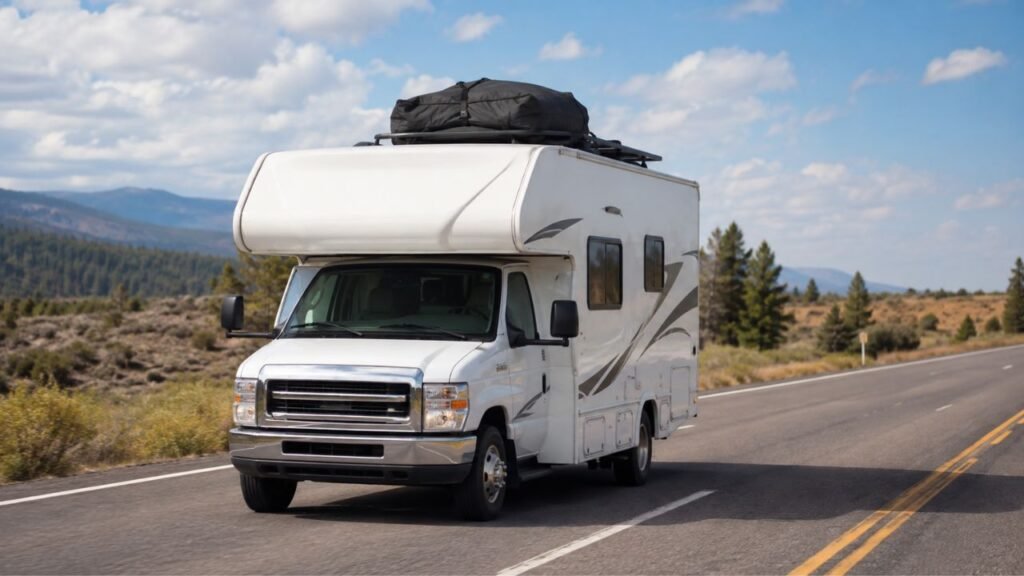
What About RV, Fiberglass, or Non-Metal Roof Surfaces?
RV and specialty roof surfaces need their own consideration.
Many RVs use fiberglass, composite materials, aluminum, or membrane-style roofing. These surfaces may have very different weight and attachment limitations.
Do not apply passenger-car cargo-bag advice automatically to an RV roof.
Check whether the roof is designed to carry concentrated cargo loads. You should also confirm whether straps, mats, or hooks can contact the roofing material safely.
On a rubber or membrane roof, repeated friction can be especially undesirable.
If your RV manufacturer does not approve direct rooftop cargo storage, use another carrying system instead.
What If the Cargo Bag Has Already Scratched the Roof?
First, determine whether you are seeing a superficial scuff or actual paint damage. Clean the area carefully before attempting any repair.
Light Scuffing or Transfer Marks
Some marks are simply transferred material from a strap, buckle, or dirty pad.
Wash the surface gently with automotive-safe products. Avoid aggressive rubbing until you know how deep the mark is.
A light surface mark may disappear once contamination is removed.
Clear-Coat Scratches
Shallow scratches may affect only the clear coat.
These can sometimes be improved with appropriate automotive polishing methods. If you are unsure, a professional detailer can evaluate the damage safely.
Avoid heavy compounds unless you understand how much clear coat you are removing.
Deep Scratches Through the Paint
A deeper scratch needs more care.
If the mark exposes primer, metal, fiberglass, or another substrate, polishing will not restore the missing paint.
Consider professional repair, especially if bare metal is exposed. Addressing the damage early can also help prevent corrosion.
Check the Straps Again After You Start Driving
Your cargo bag can settle once wind pressure and road vibration begin. A short recheck helps catch small problems before they become paint damage.
Look for:
- new slack in the straps;
- loose ends escaping their keepers;
- buckles moving toward painted surfaces;
- changes in cargo-bag position;
- rubbing near door frames;
- new humming, tapping, or flapping sounds;
- protective padding shifting out of position.
If you hear a new repetitive tapping sound, do not ignore it.
Pull over safely and inspect the cargo setup. That sound may be a loose strap or buckle hitting your vehicle.
Continue checking the bag periodically during longer trips.
Cargo-Bag Scratch-Prevention Checklist
Use this quick checklist before every trip involving a rooftop cargo bag.
- The vehicle roof is clean and dry.
- The underside of the protective mat is clean.
- The anti-slip mat sits correctly beneath the bag.
- The cargo bag is positioned according to its instructions.
- Cargo weight is evenly distributed.
- Hard objects are not pressing directly against the roof.
- All main straps are correctly routed.
- The bag cannot slide noticeably by hand.
- Buckles are not touching painted surfaces.
- Hooks are installed only at approved locations.
- Door seals are not being damaged or badly compressed.
- Excess strap webbing is rolled or secured.
- Nothing is hanging outside the vehicle.
- Roof and sunroof restrictions have been checked.
- Strap tension will be rechecked after driving begins.
Final Words
Stopping cargo-bag straps from scratching your roof mostly comes down to controlling movement.
Start with a clean roof, then use a proper anti-slip mat. Keep hard buckles away from paint and secure every loose strap tail.
Pay special attention to roof edges and door-frame attachment points. Those areas are often missed during installation.
You also do not need excessive tension or complicated DIY padding. Correct routing, clean surfaces, and stable cargo solve most problems.
Most importantly, follow the instructions for your exact vehicle and cargo bag. Different roof designs and attachment systems may require different methods.
Related FAQs
Will a Rooftop Cargo Bag Scratch My Car Roof?
A rooftop cargo bag can scratch your roof if dirt gets trapped underneath or the bag moves during driving. Cleaning the roof and using a proper anti-slip protective mat greatly reduces the risk.
What Should I Put Under a Rooftop Cargo Bag?
Use a non-slip protective mat designed for rooftop cargo whenever your bag and vehicle allow it. The mat protects the paint while also reducing movement underneath the loaded bag.
How Do I Stop Roof-Bag Straps From Flapping?
Remove excess slack, secure loose strap tails, and check that the bag cannot shift. Roll unused webbing and hold it with strap keepers rather than leaving it exposed to airflow.
Can I Put a Towel Under a Roof Cargo Bag?
A towel is generally less suitable than a purpose-made anti-slip mat. Towels can move, bunch up, collect grit, and hold moisture underneath the cargo bag.
Should Roof-Bag Straps Be Twisted?
Not always. Some tie-down systems may use a slight twist for vibration control, while others require flat straps. Follow your cargo-bag manufacturer’s instructions instead of twisting straps automatically.
How Tight Should Rooftop Cargo Bag Straps Be?
Tighten them enough to prevent the loaded bag from shifting, but avoid excessive force. The straps should remain secure without deforming the roof, bag, rack, or attachment points.
Can Cargo-Bag Buckles Damage Car Paint?
Yes. Plastic or metal buckles can scratch paint when vibration causes repeated contact. Position buckles away from painted surfaces and use suitable protection where the manufacturer allows it.
Can I Use a Roof Cargo Bag on a Panoramic Sunroof?
Only if both your vehicle and cargo-bag manufacturers approve the installation. Some cargo bags should never sit on panoramic or glass roofs, regardless of whether you use a protective mat.
Do I Need an Anti-Slip Mat if My Car Has Roof Rails?
You may still need one if the cargo bag rests directly on the painted roof. Roof rails provide attachment points but do not always prevent the bag itself from touching the vehicle.
How Often Should I Check Cargo-Bag Straps During a Road Trip?
Check them shortly after beginning your drive and periodically during longer trips. Also inspect the setup after rough roads, strong winds, heavy rain, or any new flapping or tapping noise.

Jack Collins specializes in RV routes, trail access, and travel logistics. His how-to articles help RV and trailer owners plan smoother trips and avoid common mistakes. Every review focuses on performance, safety, and value.